About calcum carbonate
Key Properties
- Formula: CaCO
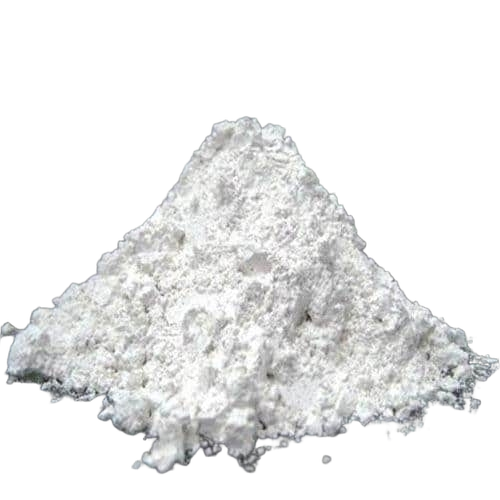
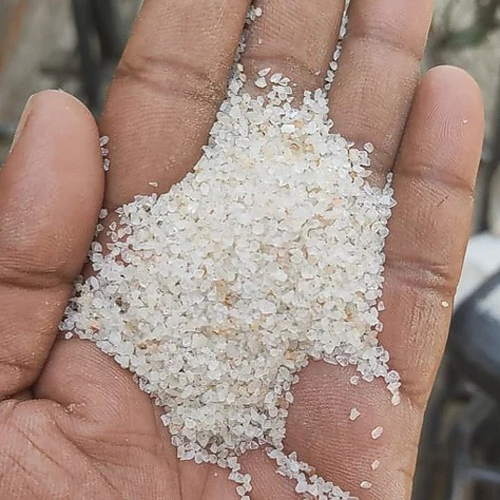
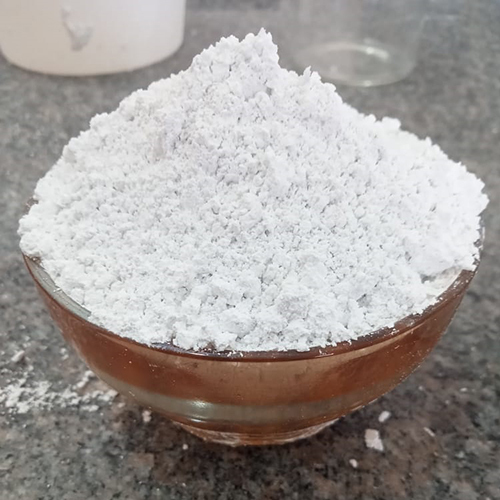
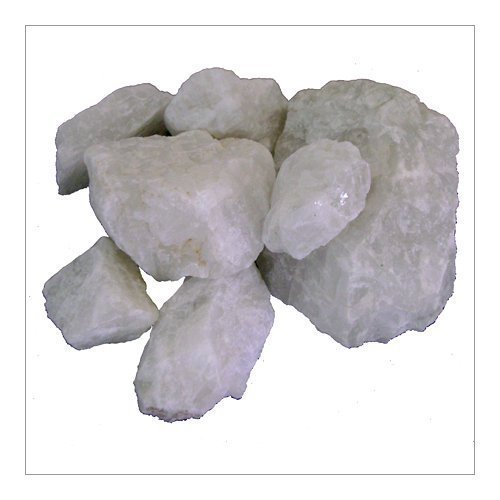
- Appearance: White powder or crystal
- Solubility: Very low in pure water; dissolves in acids with gas release
- Natural Forms: Calcite and aragonite [1, 2, 3, 4]
Versatile Industrial ApplicationsCalcium carbonate plays an integral role across sectors due to its exceptional purity and physical attributes like high whiteness, low porosity, and a fine texture. It is preferred in plastics, paints, rubbers, construction materials, as well as pharmaceuticals and food industries. Its non-toxic nature and compatibility with different processes make it ideal as both a filler and extender.
Quality and Compliance CertificationManufacturers and traders offer calcium carbonate with ISO certification, assuring buyers of consistent quality and safety, especially for sensitive applications such as pharmaceuticals and food processing. The presence of high CaCO3 content (over 95%) and controlled loss on ignition parameters are key quality indicators.
FAQ's of calcum carbonate:
Q: How is calcium carbonate typically used in industrial applications?
A: Calcium carbonate is commonly used as a filler and extender in plastics, paints, rubbers, construction materials, paper, and even in food and pharmaceutical products. Its whiteness, fine texture, and non-toxic profile enhance product quality while reducing manufacturing costs.
Q: What benefits does calcium carbonate offer compared to other fillers?
A: Its high purity, excellent whiteness, moderate strength, and low toxicity make calcium carbonate a versatile and safe option. It provides a smooth surface finish and consistent bulk density, improving the visual and physical properties of end products.
Q: Where can I source calcium carbonate with ISO certification?
A: ISO-certified calcium carbonate can be sourced directly from reputable suppliers or traders who specify and guarantee certification. Certification ensures the product meets stringent quality and safety standards required for industrial and pharmaceutical applications.
Q: What are the solubility properties of calcium carbonate and why do they matter?
A: Calcium carbonate is slightly soluble in water but easily dissolves in acids. This property is crucial in applications where chemical reactivity is needed, such as in construction and pharmaceutical formulations.
Q: When should calcium carbonate be selected over other mineral fillers?
A: Choose calcium carbonate when high whiteness, fine particle size, non-toxicity, and moderate strength are priorities for enhancing the appearance, safety, or structural qualities of the final product.
Q: What is the process for incorporating calcium carbonate in plastics and paints?
A: Typically, calcium carbonate in powder form is blended into the polymer or paint matrix during formulation. Its low oil and water absorption levels help maintain the desired viscosity and improve the finished product's surface properties.
Q: Is calcium carbonate safe to use in food and pharmaceutical products?
A: Yes, calcium carbonate is non-toxic and widely recognized as safe for use in food and pharmaceuticals, provided it meets purity standards and is sourced from certified suppliers.





 Send Inquiry

 Send Inquiry
 Send Inquiry